


(And Why Your Black Friday GPU Just Got Cancelled)
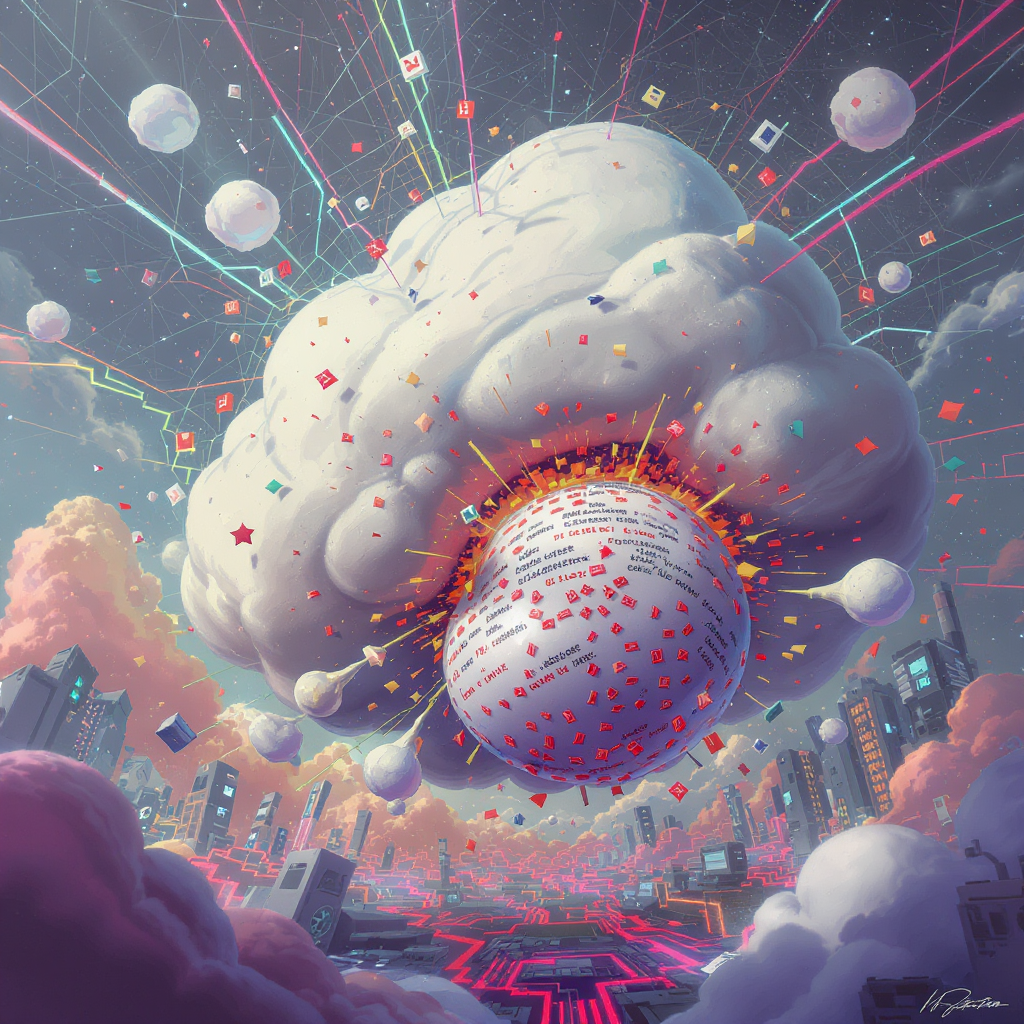
Yesterday, for about 45 minutes, half the internet simply… disappeared.
Discord went dark. Shopify stores showed errors. Stripe payments failed. Even the mighty Cloudflare dashboard itself was down — the ultimate irony of the company that promises “never go down” literally going down while trying to protect everyone else.
But here’s the part that should actually keep you awake tonight: this wasn’t a cyberattack. It wasn’t state actors or script kiddies. It was a configuration change in a single backbone router that cascaded into chaos because so much of the modern web routes through Cloudflare’s orange cloud.
One bad line of config.
One company.
Billions of users affected.
That’s not a glitch. That’s a warning shot.
The Quiet Energy Crisis Nobody Wants to Talk About
While we were all refreshing tabs and cursing our Wi-Fi, something else was happening behind the scenes that barely made headlines.
Data centers are starting to choke on AI’s electricity appetite.
TechCrunch and Mint both dropped stories today about power grids buckling under winter heating + AI training loads. In Virginia (the world’s largest data center market), Dominion Energy is now warning of potential rolling blackouts by 2027 if nothing changes.
And then there’s this absolute gut-punch from PNY: they just cancelled their entire Black Friday GPU sale because component and energy costs have spiked so hard that the deals would literally lose money.
Let that sink in.
A graphics card company cancelled Black Friday — the holiest of consumer holidays — because training your favorite AI models is burning so much power that it’s driving up prices for everyone else.
Meanwhile, on X (the town square of broken dreams)
The takes are flying:
“Centralized CDNs were a mistake”
“Time to go full IPFS + edge compute”
“Hybrid cloud + on-prem is the only sane future”
“We’re one bad Tuesday away from the internet having a stroke”
And honestly? They’re not wrong.
The ITU just reported we hit 5.4 billion internet users. That’s two-thirds of humanity. But the digital divide isn’t just about who has access — it’s about who can afford to keep the lights on when AI starts treating electricity like it’s free.
Thoughtworks’ latest Technology Radar called this exact scenario months ago: “Power-constrained computing” is now a macro trend. Their advice? Start optimizing hardware like your life depends on it.
Because soon, it might.
So… What Happens Next?
We’re building an internet that can generate photorealistic videos in seconds, translate every language in real time, and let you talk to dead relatives through AI avatars.
But we’re running it on infrastructure that collapses when someone fat-fingers a BGP route.
That’s not sustainable. That’s a house of cards with a jet engine strapped to it.
The solutions are starting to emerge — edge computing, decentralized CDNs, liquid-cooled micro-data-centers, inference-optimized chips, even nuclear-powered AI clusters (yes, that’s real).
But here’s the question nobody’s asking out loud yet:
What if the next outage isn’t 45 minutes?
What if it’s 45 hours?
What if it happens during a national emergency?
What if it takes down emergency services, hospitals, power grids?
We just got the dress rehearsal.
I don’t know about you, but I’m not laughing anymore.
The cloud isn’t infinite.
Electricity isn’t free.
And the internet is more fragile than any of us wanted to admit.
Welcome to the AI era.
Hope you like blackouts.