


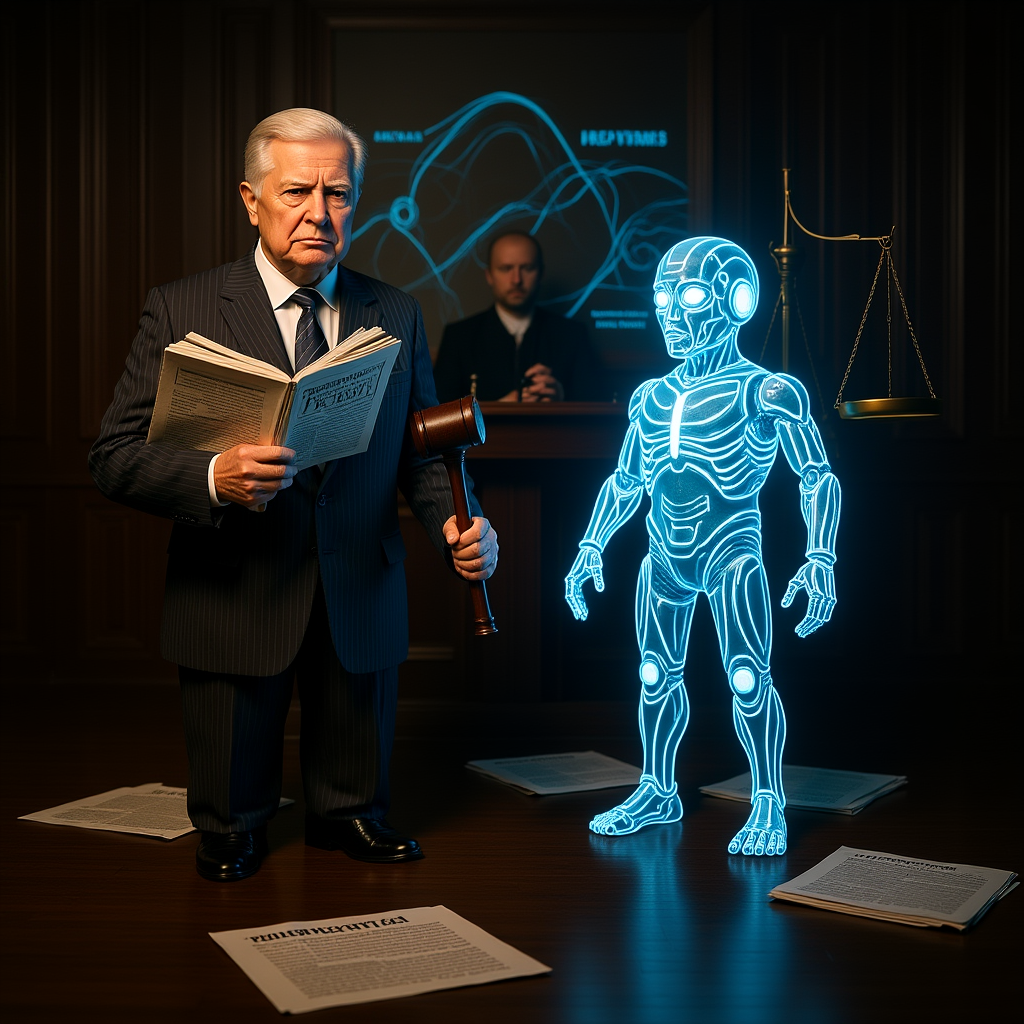
Hey there, curious minds! 👋 Ever scrolled through Google, Bing, or one of those shiny new AI search tools and wondered, where exactly is all that info coming from? What if the magic behind those instant answers is built on a mountain of “borrowed” content from places like The New York Times—without so much as a polite “pretty please”? Buckle up, because today’s tech drama is straight out of a sci-fi thriller: The New York Times has slapped AI startup Perplexity with a blockbuster lawsuit, accusing it of ripping off articles to fuel its brainy models. And honestly, I’m dying to know—what happens next in this clash of titans?
The Spark That Lit the Fuse
Picture this: Perplexity AI, the hot new kid on the search block, promises answers faster than you can say “ChatGPT.” But according to the NYT’s lawsuit (filed just days ago and already blowing up Twitter/X), Perplexity isn’t just searching—it’s systematically copying, summarizing, and spitting out Times articles without permission. We’re talking full-on intellectual property heist to train their AI beasts. Sound familiar? It’s giving major déjà vu from the Times’ previous smackdown on OpenAI and Microsoft. Remember that one? Yeah, the plot thickens.
Perplexity’s firing back, of course, with the classic defense: “Hey, it’s fair use!” They’re claiming that summarizing and linking back to sources is all good in the hood of innovation. But here’s where my curiosity kicks into overdrive: Is summarizing really ‘fair’ if it’s cornering the market on quick info bites? What if every AI search engine does this—does the original creator even get a seat at the table anymore?
Why This Isn’t Just Another Lawsuit—It’s a Tectonic Shift
This isn’t some dusty legal footnote; it’s trending hard in tech and legal circles right now. Check your feeds—hashtags like #PerplexityLawsuit and #AIFairUse are everywhere. But let’s dig deeper. Why does this matter to you, the average human browsing the web?
- The Data Hunger Games: AI companies devour the internet like it’s an all-you-can-eat buffet. But who pays the bill? Publishers like NYT say they’re losing traffic (and ad revenue) as users get summaries instead of clicking through. Question for you: If AI gives you the gist without the visit, do newsrooms survive?
- Fair Use or Foul Play? Legally, fair use is this squishy concept—transformative? Educational? Minimal harm? Perplexity argues yes. NYT screams no. I’m fascinated: Will courts redefine fair use for the AI era, or will we see paywalls around every webpage?
- Echoes of Bigger Battles: This joins the pile-up with suits against Anthropic, xAI, and more. OpenAI’s still in the hot seat. What if these cases snowball into a total rethink of how AI trains? Imagine a world where bots need licenses for every scrape—innovation explodes… or grinds to a halt?
Trending data? It’s everywhere—from TechCrunch breakdowns to lawyer TikToks debating precedents. One thing’s clear: tensions are boiling over ethical data slurping.
Peering Into the Crystal Ball: What’s Next?
Okay, wild speculation time (because who doesn’t love that?). If NYT wins:
- AI firms might pivot to licensed data deals. Hello, pricey subscriptions for creators!
- Search evolves—maybe more citations, watermarks, or “AI-proof” paywalls.
If Perplexity prevails? Web scraping party continues. But at what cost to trust? Will we start questioning every AI answer’s origins?
And the biggie: Is this the future of search? Goodbye traditional engines, hello AI oracles—but only if they’re built ethically.
Your Turn: Fuel the Curiosity Fire!
What do you think? Is Perplexity the villain, the hero, or just caught in the crossfire? Drop your hot takes in the comments—have you ditched Google for Perplexity yet? Share your wildest predictions for AI-media wars. If this post sparked your brain, smash that like/share button and subscribe for more tech deep dives that make you go “hmmm.”
Stay curious, folks. The web’s changing faster than we can scrape it. 🌐🤖
Sources: NYT official filing, Perplexity statements, and a whole lot of real-time buzz. Last updated: 5/12/2025.