


Artificial intelligence is growing faster than ever. From chatbots and image generators to self-driving cars and smart hospitals, AI systems are now part of everyday life. But behind all this innovation lies a serious problem that many people don’t talk about enough:
AI needs a huge amount of energy.
In 2025, as AI models become bigger and more powerful, data centers around the world are using record levels of electricity and water. This has pushed governments, tech companies, and researchers to rethink how computing works. The result is a powerful new movement: sustainable and energy-efficient computing.
Let’s explore what this means, why it matters, and how the tech world is trying to solve the energy challenge—using simple words.
Why AI’s Energy Use Is a Big Concern
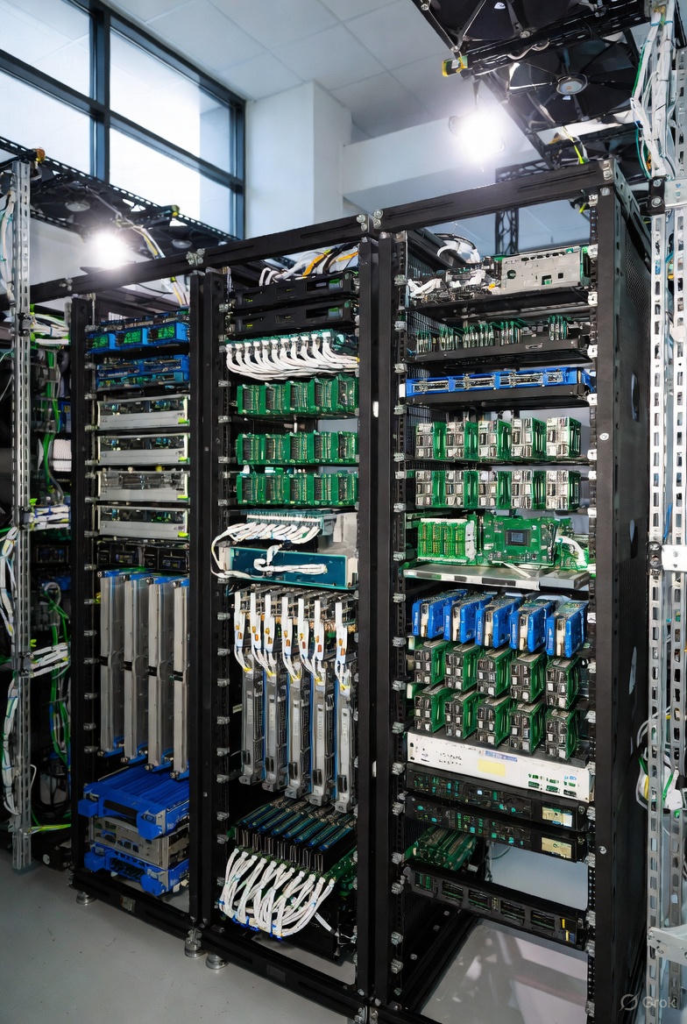
Every time you ask an AI a question, stream a video, or store photos online, the request travels to a data center—a massive building filled with thousands of servers working nonstop.
Modern AI models:
- Need powerful processors
- Run 24/7
- Generate a lot of heat
- Consume enormous electricity
Some large data centers now use as much power as small cities. If this continues without change, it could:
- Increase carbon emissions
- Put pressure on power grids
- Raise costs for companies and users
That’s why sustainability has become a top priority in computing.
What Is Sustainable Computing?
Sustainable computing means designing and running technology in a way that:
- Uses less energy
- Creates less pollution
- Protects natural resources
- Supports long-term growth
In the AI era, this includes:
- Greener data centers
- Energy-efficient hardware
- Smarter software
- Clean energy sources like nuclear and renewables
Greener Data Centers: The First Big Change
Data centers are at the heart of the problem—and the solution.
1. Better Cooling Systems
Servers produce a lot of heat. Traditionally, cooling them required huge air-conditioning systems that consumed massive energy.
Now, companies are using:
- Liquid cooling, where special fluids absorb heat more efficiently
- Underwater and underground data centers that use natural cooling
- AI-powered cooling systems that adjust temperatures automatically
These methods can reduce energy use by up to 40%.
2. Using Clean Energy
Many tech companies are now powering data centers with:
- Solar energy
- Wind energy
- Hydropower
Some companies aim for 100% renewable-powered data centers, reducing carbon emissions significantly.
Energy-Efficient Hardware: Smarter Chips, Less Power
Another major focus is hardware efficiency.
Traditional processors were not designed for AI. They waste energy when handling massive calculations.
In 2025, we see a shift toward:
Specialized AI Chips
- AI accelerators
- Custom-designed processors
- Chips that perform more work using less electricity
These chips:
- Reduce energy per calculation
- Produce less heat
- Improve performance without increasing power use
Smaller and Smarter Designs
New chip architectures allow:
- Faster processing at lower voltages
- Better memory usage
- Reduced energy loss
This means more AI power without more energy demand.
Smarter Software: Doing More With Less
Sustainability isn’t just about hardware. Software matters too.
AI researchers are now building models that:
- Use fewer parameters
- Learn faster
- Run efficiently on smaller devices
Examples include:
- Model optimization
- Edge AI (running AI on phones or local devices instead of large data centers)
- AI models that turn off unused parts automatically
These improvements reduce the need for constant cloud computing.
Nuclear Power: A Surprising but Serious Solution
One of the most talked-about trends in 2025 is nuclear-powered data centers.
Why nuclear?
- Produces massive energy
- Works day and night
- Emits almost zero carbon
- Stable compared to solar or wind
New technologies like small modular reactors (SMRs) make nuclear power safer, cheaper, and more flexible.
Some tech companies are now exploring partnerships with nuclear energy providers to power AI infrastructure for decades to come.
Why This Shift Matters for Everyone
Sustainable computing is not just a tech issue—it affects all of us.
Environmental Benefits
- Lower carbon emissions
- Reduced water waste
- Slower climate damage
Economic Benefits
- Lower long-term energy costs
- More stable power supply
- Reduced pressure on national grids
Innovation Without Guilt
- AI growth without harming the planet
- Technology that supports future generations
Challenges Still Ahead
Despite progress, challenges remain:
- High cost of green infrastructure
- Limited access to clean energy in some regions
- Complex regulations around nuclear power
- Fast AI growth that keeps pushing energy demand higher
But experts agree: ignoring sustainability is no longer an option.
The Road Ahead
As we move beyond 2025, sustainable and energy-efficient computing will become the foundation of future technology.
AI is here to stay—but how we power it will define its impact on the world.
With greener data centers, smarter hardware, cleaner energy, and better software, the tech industry is learning an important lesson:
True innovation is not just powerful—it’s responsible.
The future of computing isn’t only intelligent. It’s sustainable.