

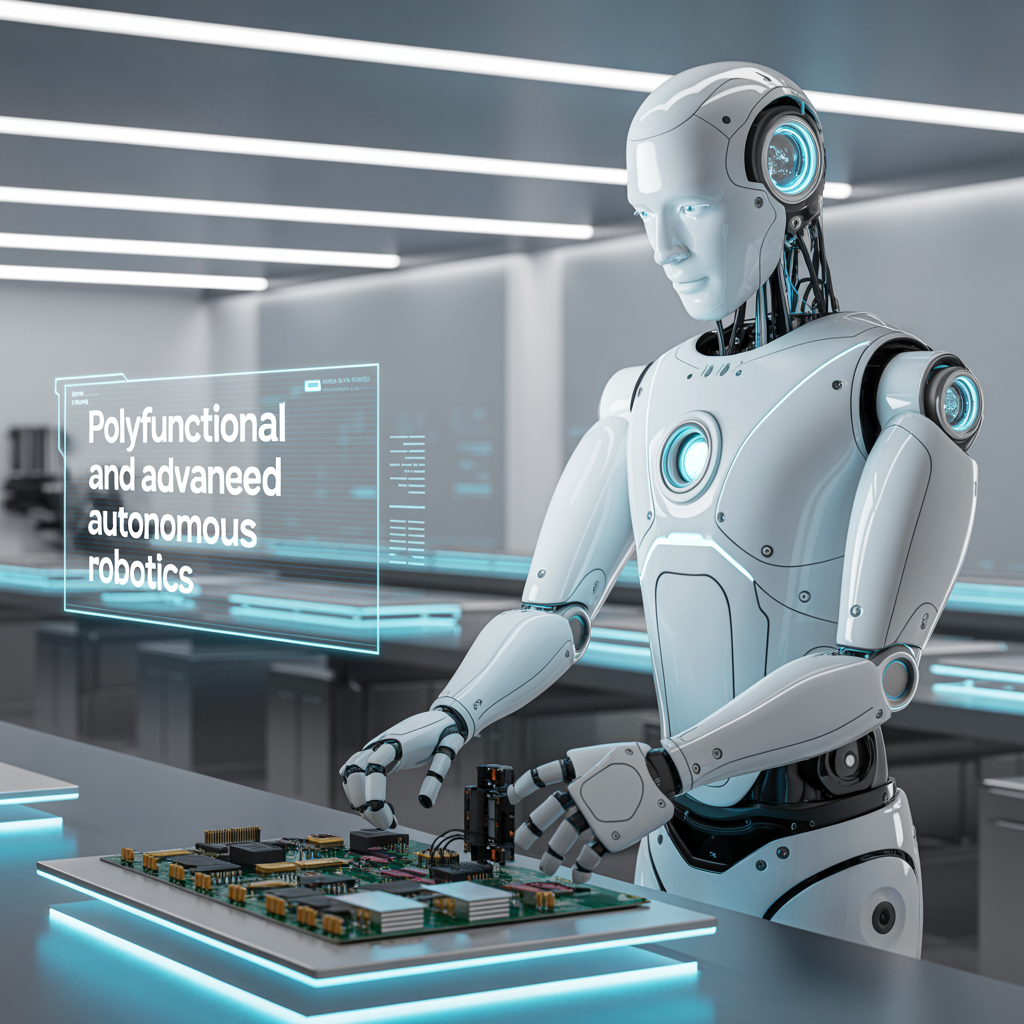
Robots are no longer limited to doing one small, repeated task. The world of robotics is changing fast, and a new generation of robots is emerging — polyfunctional and highly autonomous robots.
These robots can do multiple tasks, work in complex environments, and make independent decisions using Artificial Intelligence (AI).
According to reports from Gartner and Globant, polyfunctional robots are among the top technology trends, and by 2026, we are expected to see rapid growth in Level 3 intelligent robots. These robots will completely change how humans and machines work together.
Let’s understand what this means in simple words.
What Are Polyfunctional Robots?
The word polyfunctional simply means “able to perform many functions.”
Traditional robots were designed to do one specific task, such as:
- Assembling a part
- Welding metal
- Packaging products
If the task changed, the robot needed reprogramming or replacement.
Polyfunctional robots are different. They can:
- Perform multiple tasks
- Switch roles easily
- Learn new skills using AI
- Adapt to changing environments
Think of them not as machines, but as robot coworkers.
What Does “Advanced Autonomous” Mean?
Autonomous robots can work with little or no human control.
Advanced autonomous robots can:
- Understand their surroundings
- Make decisions on their own
- React to unexpected situations
- Learn from experience
They don’t just follow instructions — they think, adjust, and improve.
Cobots: Robots That Work With Humans
One of the most popular examples of polyfunctional robots is cobots, or collaborative robots.
Unlike old factory robots that worked inside cages, cobots:
- Work safely next to humans
- Share tasks with workers
- Assist instead of replace people
In factories, cobots help with:
- Heavy lifting
- Precision work
- Repetitive tasks
Humans focus on:
- Creative thinking
- Problem-solving
- Quality decisions
This creates a safer and more productive workplace.
Polyfunctional Robots in Healthcare
Healthcare is another area where advanced robots are making a big impact.
Robots are now helping with:
- Patient monitoring
- Medicine delivery
- Physical therapy
- Surgical assistance
Some robots can:
- Move patients safely
- Support doctors during surgeries
- Help elderly people with daily activities
These robots reduce workload on healthcare staff and improve patient care.
Robots on Construction Sites
Construction sites are dangerous and unpredictable. Polyfunctional robots are helping make them safer.
Robots can now:
- Carry heavy materials
- Inspect buildings using cameras and sensors
- Work in risky areas humans should avoid
AI allows these robots to:
- Understand uneven ground
- Adjust movements in real time
- Avoid accidents
This saves time, reduces injuries, and improves efficiency.
Level 3 Intelligent Robots: The Next Big Step
Experts classify robots by intelligence levels.
Level 3 intelligent robots can:
- Operate independently in complex environments
- Make real-time decisions
- Learn from data and experience
- Collaborate smoothly with humans
According to Gartner and Globant, huge growth in Level 3 robots is expected by 2026.
This means robots will no longer just assist — they will actively participate in decision-making.
How AI Is Powering This Robotics Revolution
AI is the brain behind advanced autonomous robots.
With AI, robots can:
- Recognize objects and people
- Understand speech and gestures
- Predict outcomes
- Optimize their actions
AI helps robots move from task-based machines to goal-oriented systems.
For example:
Instead of “pick and place this object,” a robot understands “organize this workspace efficiently.”
Human–Machine Collaboration Is Being Redefined
One of the biggest changes is how humans and robots work together.
The future is not about robots replacing humans.
It is about humans and robots collaborating.
In this new model:
- Robots handle strength, speed, and precision
- Humans handle creativity, judgment, and empathy
This collaboration improves:
- Productivity
- Safety
- Job satisfaction
It also opens doors to new types of jobs focused on managing and guiding intelligent robots.
Challenges That Still Exist
Even with fast progress, some challenges remain:
- High cost of advanced robots
- Need for skilled workers to manage them
- Safety and ethical concerns
- Trust in autonomous decision-making
Companies and governments are working on:
- Better regulations
- Training programs
- Responsible AI use
What the Future Looks Like
In the next few years, we can expect:
- More polyfunctional robots in everyday workplaces
- Wider use of cobots across industries
- Smarter autonomous decision-making
- Stronger human–robot partnerships
Robots will become flexible, adaptable, and intelligent teammates.
Final Thoughts
Polyfunctional and advanced autonomous robotics marks a major shift in technology.
Robots are no longer simple machines doing one job.
They are becoming multi-skilled, intelligent systems that can think, learn, and collaborate.
With AI at their core and human-centered design guiding their use, these robots are set to redefine industries by 2026 and beyond.
The future of work is not human vs machine.
It is human + machine, working together to achieve more than ever before.
Finally a site that understands what players want. The bonuses are generous and the community is friendly. I am sticking with playtimevicsottologin from now on.
Really impressed with the variety of games available here. There is always something new to explore. See you all at bdbjbaji777