



What happens when China’s AI ambition meets investor excitement?
You get fireworks—literally.
On January 2, 2026, Hong Kong’s stock market kicked off the new year with a bang. Shanghai-based Biren Technology, a fast-rising Chinese AI chip company, made its stock market debut—and shocked everyone.
By the end of its first trading day, Biren’s shares jumped 76%. For Hong Kong, it was the first IPO of 2026. For China’s tech industry, it was a powerful signal: local AI chipmakers are gaining serious investor trust.
A First-Day Surge That Turned Heads
Biren Technology listed on the Hong Kong Stock Exchange under the code 6082.HK. The company priced its IPO at HK$19.60 per share, the highest possible price in its range.
What happened next surprised even seasoned investors.
- Shares opened at HK$35.70 (up 82%)
- Hit an intraday high of HK$42.88 (up 119%)
- Closed at HK$34.46, still a massive 76% gain
More than 150 million shares were traded in one day, worth about HK$5.52 billion, making Biren one of the most active stocks on the exchange.
This kind of debut hasn’t been seen in Hong Kong since the IPO boom of early 2021.

Why Investors Rushed In
The demand for Biren’s shares was overwhelming:
- Retail investors oversubscribed the IPO by 2,300+ times
- Institutional investors subscribed nearly 26 times
In total, Biren raised HK$5.58 billion (around $717 million).
So why the hype?
The answer lies in AI chips—and geopolitics.
Who Is Biren Technology (and Why It Matters)

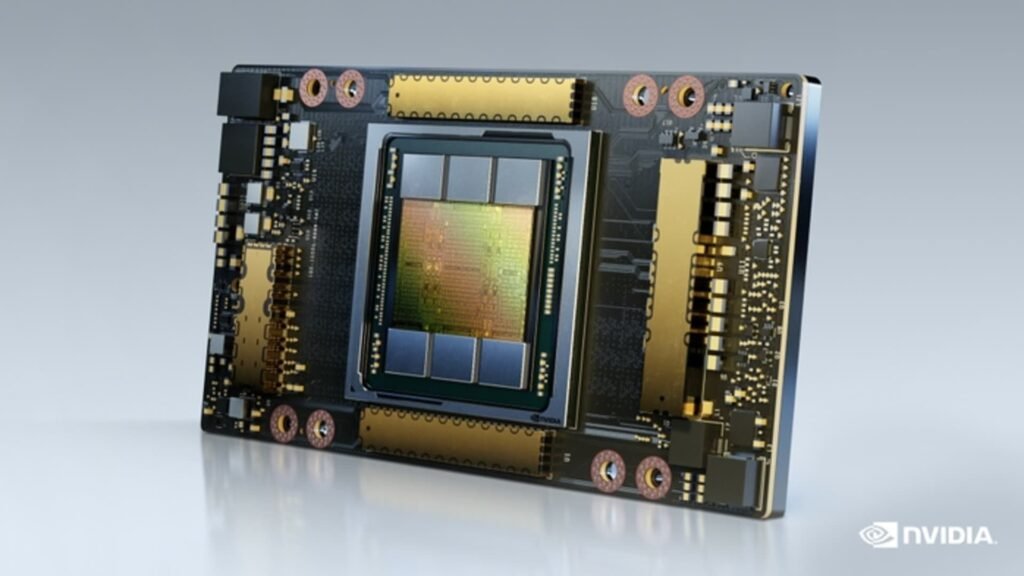
Founded in 2019, Biren Technology designs high-performance GPUs (graphics processing units) used for:
- Artificial intelligence training
- AI inference
- High-performance computing
In 2022, Biren grabbed attention with its BR100 chip, promoted as a Chinese alternative to Nvidia’s advanced processors.
Biren is part of an elite group nicknamed China’s “Four Little Dragons” of GPUs, along with:
- Moore Threads
- MetaX
- Enflame Technology
Together, these companies represent China’s push to reduce dependence on foreign chipmakers.

Challenges Didn’t Stop the Momentum
Biren’s journey hasn’t been smooth.
In October 2023, the company was added to the U.S. Entity List, limiting its access to advanced technologies. This pressure contributed to losses that year.
But instead of slowing down, Biren doubled down.
According to its IPO filing:
- 85% of the funds raised will go into research and development
- Focus areas include next-gen chips like BR20X, expected around 2026
- Expansion into cloud computing and edge AI
Investors clearly believe this long-term bet is worth it.
The Bigger Story: AI, Chips, and Global Politics
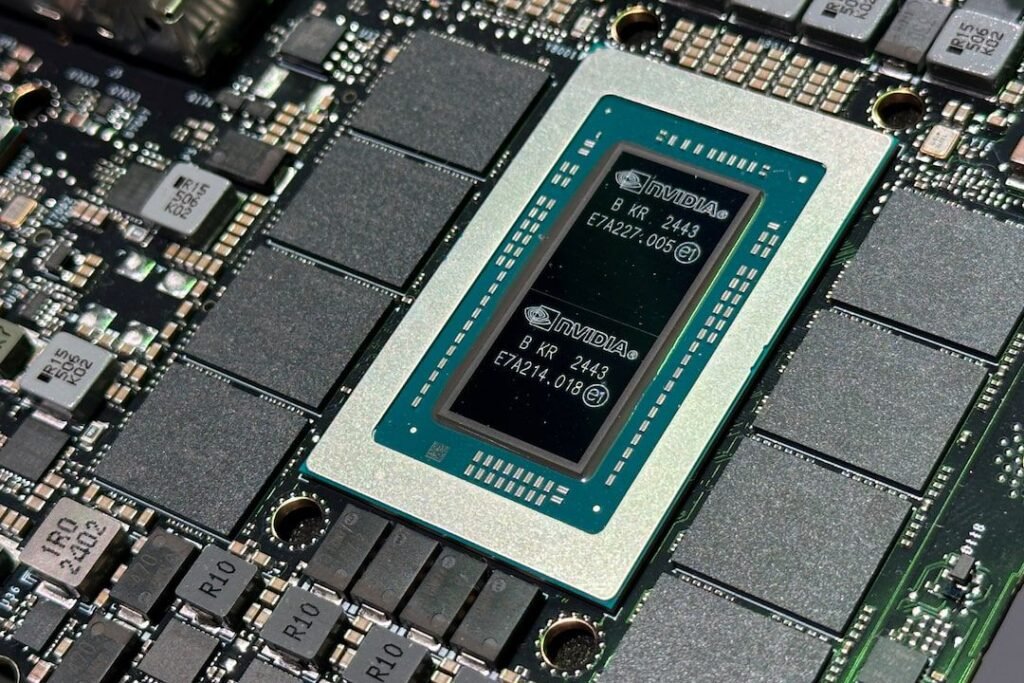
Biren’s success is part of a much larger trend.
As U.S. export controls tighten around advanced chips, China has accelerated its mission to build homegrown AI hardware. Billions of dollars are flowing into domestic semiconductor firms.
This strategy is already paying off:
- Moore Threads shares surged 425%
- MetaX jumped an astonishing 693% after their 2025 listings
Against this backdrop, Hong Kong has become the perfect launchpad.
In 2025 alone, Hong Kong raised $36.5 billion from 114 IPOs—three times more than the previous year.
Why Hong Kong Is Winning AI IPOs
Companies prefer Hong Kong because it offers:
- Access to global investors
- Strong legal and financial systems
- Faster listing timelines than the U.S.
- Supportive policies for tech firms
Experts say Chinese AI companies are listing faster than their U.S. peers because they:
- Focus on real-world enterprise use
- Generate revenue earlier
- Face less regulatory uncertainty at home
This Is Just the Beginning
Biren is not alone.
A wave of AI and chip companies is lining up to go public, including:
- MiniMax
- Zhipu AI
- Iluvatar CoreX
- Baidu’s AI chip unit, Kunlunxin
Exchange records show seven new IPO applications were filed on January 1 alone.
Analysts expect 2026 to be a blockbuster year for AI and semiconductor listings in Hong Kong—though risks like global slowdowns and tech restrictions remain.
Final Thought: More Than Just a Stock Surge
Biren Technology’s IPO is not just a market story.
It’s a symbol of China’s determination to build its own AI future—no matter the obstacles.
Investors are betting that these “little dragons” can grow into serious global competitors. Whether they can truly challenge giants like Nvidia remains to be seen.
But for now, Hong Kong is roaring into 2026, and Biren has struck the match.