


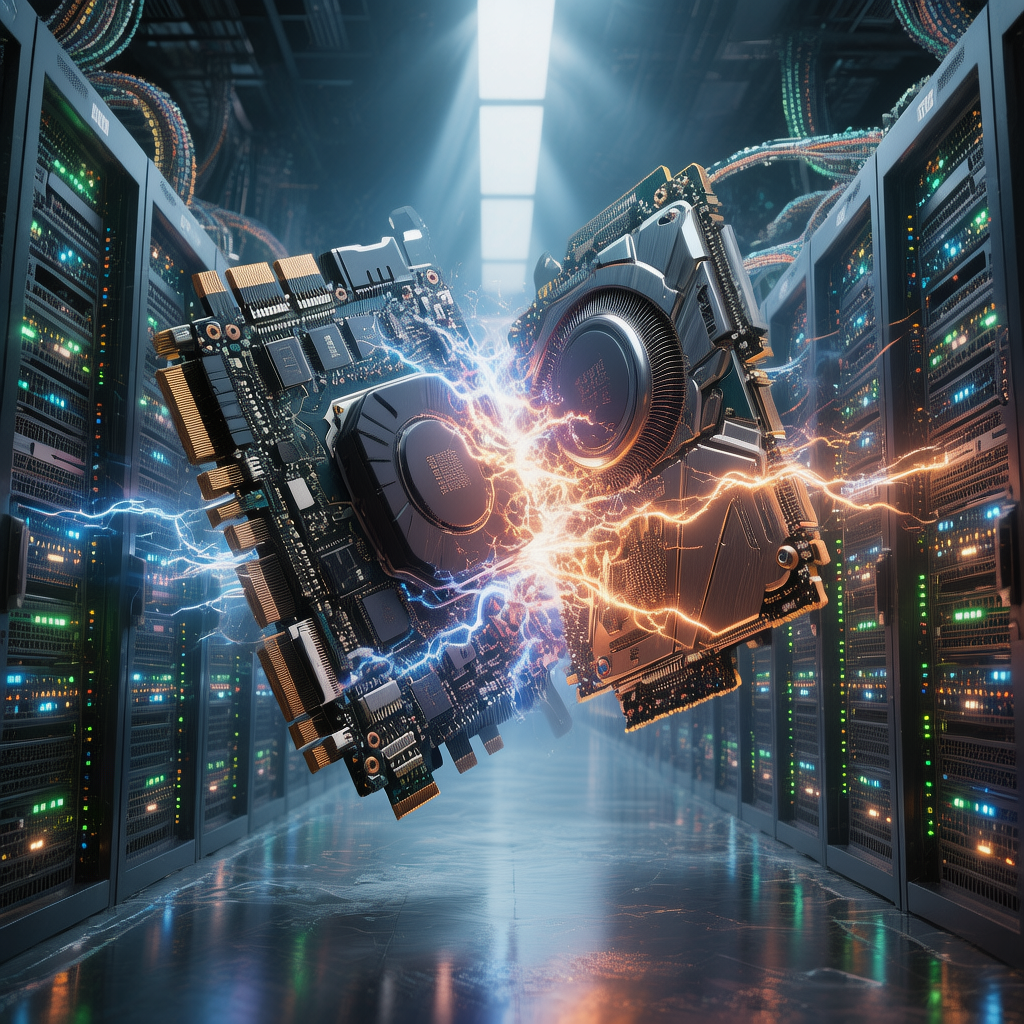
Artificial Intelligence is growing at an incredible speed. Every new AI tool, chatbot, image generator, or smart system needs huge computing power to work. Behind all this intelligence is something most people never see: massive data centers.
In 2025, the explosive growth of AI is creating a new challenge—not about software, but about power, energy, and infrastructure. Data centers are expanding rapidly, investments are breaking records, and countries are racing to control the future of computing power.
Let’s explore what’s happening in simple words.
What Are Data Centers and Why Does AI Need So Many?
A data center is a large building filled with powerful computers called servers. These servers:
- Store data
- Process information
- Run AI models
- Support cloud services
AI systems require far more power than normal software. Training and running large AI models involves:
- Millions of calculations every second
- Advanced chips
- Constant cooling
- 24/7 electricity supply
As AI usage grows, so does the need for bigger and stronger data centers.
Record Investments in AI Infrastructure
In 2025, companies are spending more money than ever on AI infrastructure.
Tech giants are investing billions of dollars to:
- Build new data centers
- Upgrade old facilities
- Buy advanced AI chips
- Secure long-term energy supplies
This investment boom is not limited to one country. It is happening across:
- North America
- Europe
- Asia
- The Middle East
AI infrastructure has become a global priority, similar to oil, railways, or the internet in earlier eras.
The Growing Energy Problem
One of the biggest challenges is energy consumption.
AI data centers:
- Use enormous amounts of electricity
- Run non-stop, day and night
- Require cooling systems to prevent overheating
In some regions, a single data center can use as much electricity as a small city.
This raises serious concerns:
- Can power grids handle the load?
- Will energy costs rise?
- What about climate impact?
Governments and companies are now forced to think carefully about how AI growth affects energy systems.
New Chips Are Changing the Game
To reduce energy use and improve performance, companies are designing new AI chips.
These chips are:
- Faster
- More energy-efficient
- Designed specifically for AI tasks
For example, companies like Amazon are creating custom chips to:
- Lower power consumption
- Reduce dependence on external suppliers
- Improve efficiency inside data centers
Better chips mean:
- More AI power with less energy
- Lower long-term costs
- Smaller environmental impact
Chip innovation is now just as important as AI software itself.
Battery Storage and Clean Energy Solutions
To deal with energy challenges, data centers are turning to battery storage and renewable energy.
Many companies are now:
- Using solar and wind power
- Installing large battery systems
- Building energy-efficient cooling methods
Battery storage helps:
- Store energy during low usage times
- Release power during peak demand
- Reduce stress on power grids
This shift is closely tied to sustainability goals. Companies want to grow AI without increasing carbon emissions.
AI Infrastructure and Sustainability
The AI boom has sparked an important debate:
Can we grow AI without harming the planet?
To answer this, companies are:
- Building greener data centers
- Improving energy efficiency
- Reducing water usage for cooling
- Tracking environmental impact
Sustainability is no longer optional. Investors, governments, and the public are demanding responsible AI growth.
Geopolitical Shifts in Computing Power
AI infrastructure is also changing global power dynamics.
Countries with:
- Strong energy supply
- Advanced chip manufacturing
- Large data center networks
will have a major advantage in the AI era.
This has led to:
- Competition over chip supply chains
- Strategic partnerships
- Government support for local data centers
Compute power is becoming a strategic resource, similar to oil or rare minerals.
Challenges Ahead
Despite rapid progress, challenges remain:
- High costs of building data centers
- Limited power availability in some regions
- Environmental concerns
- Need for skilled workers
But innovation is moving fast. Companies and governments are working together to solve these issues.
What This Means for the Future
AI infrastructure will shape the next decade.
In the future, we can expect:
- Smarter, greener data centers
- Better energy management
- More powerful and efficient AI systems
- New rules around energy and sustainability
AI may feel digital, but its foundation is very physical—electricity, buildings, chips, and power grids.
Final Thoughts
The AI revolution is not just about smart algorithms. It is about infrastructure, energy, and global strategy.
As AI continues to grow, the world must balance innovation with responsibility. How we build and power data centers today will decide how sustainable and fair the AI future will be.
Behind every smart AI response lies a powerful engine—and powering that engine is one of the biggest challenges of our time.