
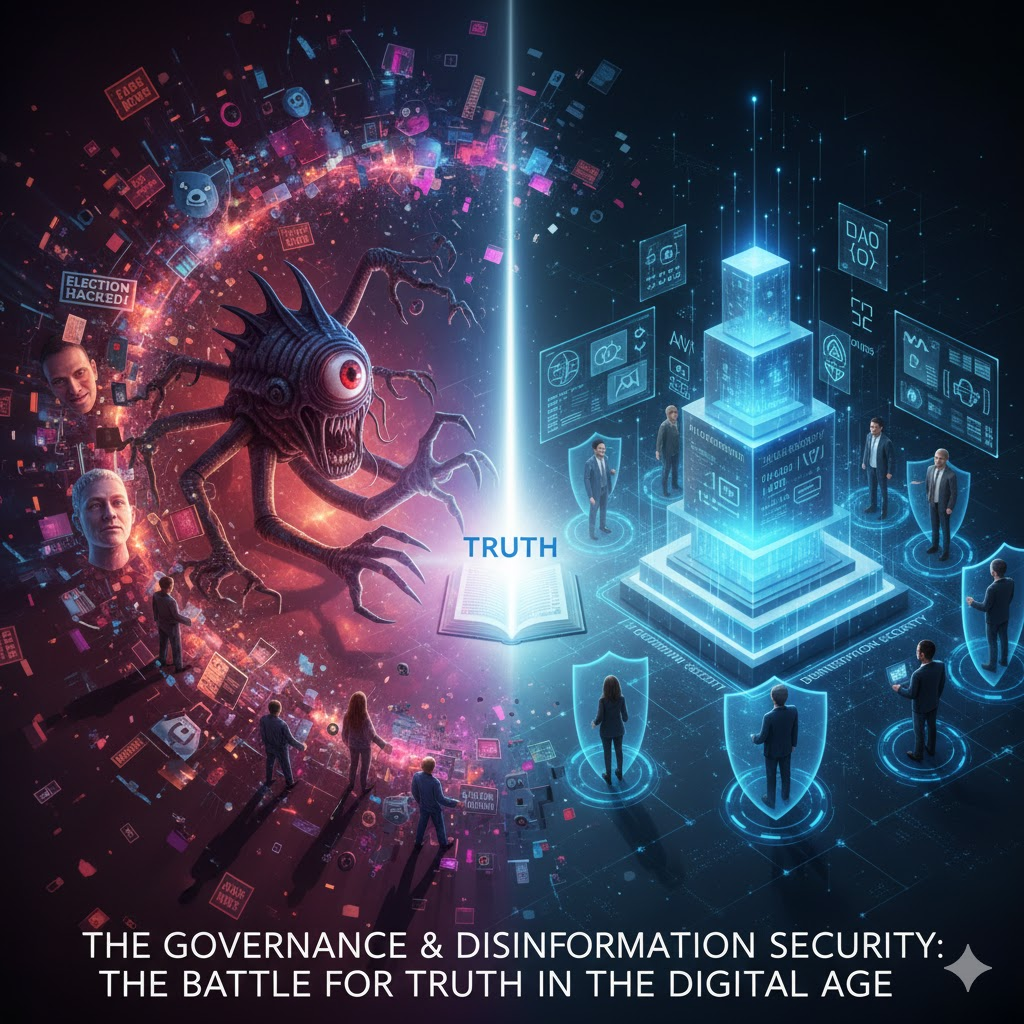
Deepfakes are exploding. Governments are cracking down. And AI is both the problem—and the solution.
The digital world is under siege. Deepfakes—hyper-realistic AI-generated videos, audio, and text—have surged 300% year-over-year, according to recent reports. Meanwhile, governments are scrambling to regulate tech giants, cybersecurity threats are evolving at breakneck speed, and disinformation campaigns are reshaping public trust.
What does this mean for businesses, policymakers, and everyday internet users? And how can we navigate this chaotic landscape without sacrificing innovation—or democracy?
Let’s break it down.
The Deepfake Dilemma: When Seeing Isn’t Believing
Imagine receiving a video of your CEO announcing a major layoff—only to find out later it was a deepfake created by a disgruntled employee. Or watching a political leader make inflammatory statements that never actually happened.
This isn’t science fiction. It’s happening right now.
- 300% YoY surge in deepfakes (Sensity AI, 2023)
- $250M+ lost to AI voice scams in 2023 (Federal Trade Commission)
- 60% of people can’t spot a deepfake (MIT study)
The implications are staggering:
✅ Corporate sabotage – Fake executive announcements, manipulated earnings calls.
✅ Election interference – AI-generated speeches, doctored debates.
✅ Financial fraud – Voice cloning for CEO impersonation scams.
✅ Reputation destruction – Fake revenge porn, fabricated scandals.
The question isn’t if deepfakes will disrupt your industry—it’s when.
Governments Strike Back: Regulation, Bans, and Global Tensions
As disinformation spreads, governments are taking drastic measures—some effective, others controversial.
🇸🇬 Singapore’s War on Fake SMS Scams
Singapore has mandated that Google and Apple block fake government SMS messages after a surge in scams impersonating official agencies. The move is part of a broader crackdown on AI-driven phishing, where fraudsters use deepfake voices and cloned websites to trick victims.
Why it matters:
- First-of-its-kind enforcement – Tech giants are being held accountable for disinformation on their platforms.
- Precedent for global regulation – If Singapore succeeds, other nations may follow.
- Consumer trust at stake – If people can’t trust official communications, digital economies suffer.
🇷🇺 Russia’s WhatsApp Ban Threat: A Geopolitical Power Play
Russia has threatened to ban WhatsApp, accusing Meta of censorship and foreign interference. While the move is partly political, it also reflects growing concerns about encrypted platforms being used for disinformation.
The bigger picture:
- Encryption vs. surveillance – Governments want backdoors; tech firms resist.
- Global fragmentation – The internet is splitting into splinternets (China’s Great Firewall, Russia’s RuNet, EU’s GDPR).
- AI as a weapon – State-sponsored deepfakes could escalate conflicts.
What happens when AI-generated propaganda becomes indistinguishable from reality?
AI in Cybersecurity: The Double-Edged Sword
AI isn’t just the problem—it’s also the best defense against disinformation and cyber threats.
Capgemini’s 2024 report ranks AI in cybersecurity as the #1 trend among 60+ emerging technologies. Here’s why:
🔍 How AI is Fighting Disinformation
- Deepfake Detection – Tools like Microsoft’s Video Authenticator and Intel’s FakeCatcher use AI to spot manipulated media.
- Real-Time Fact-Checking – AI-powered platforms (e.g., Logically, NewsGuard) flag false claims before they go viral.
- Behavioral Analysis – AI detects bot networks and coordinated inauthentic behavior on social media.
- Watermarking & Provenance – Adobe’s Content Credentials and Google’s SynthID embed invisible markers in AI-generated content.
⚠️ The Risks of AI in Cybersecurity
- Adversarial AI – Hackers use AI to bypass security systems (e.g., AI-powered phishing, automated hacking).
- False Positives – Overzealous AI could censor legitimate content (e.g., satire, investigative journalism).
- Bias & Manipulation – If AI detection tools are trained on flawed data, they could reinforce misinformation.
Gartner predicts that by 2028, 50% of enterprises will adopt AI governance platforms—but will they be effective or just performative?
The Regulatory Heat: Meta, Data Leaks, and the Fight for Control
🔥 Meta Under Fire: The EU’s AI Crackdown
The European Union is ramping up pressure on Meta over:
- AI-generated political ads (lack of transparency)
- Algorithmic amplification of misinformation
- Data privacy violations (GDPR fines totaling €1.2B+)
What’s next?
- Stricter AI labeling laws (EU AI Act, U.S. AI Executive Order)
- Mandatory watermarking for AI-generated content
- Liability for platforms that fail to curb deepfakes
🇰🇷 South Korea’s Data Leak Crisis: A Warning for the World
A massive data breach exposed personal information of 50% of South Koreans, raising alarms about:
- AI-driven identity theft
- Targeted disinformation campaigns
- Corporate negligence in cybersecurity
The lesson?
- AI governance isn’t just about deepfakes—it’s about protecting data at scale.
- Companies that fail to secure AI systems will face crippling fines and reputational damage.
The Path Forward: Ethical AI, Proactive Governance, and Digital Resilience
So, how do we balance innovation with security in the age of AI disinformation?
🛡️ For Businesses: Building AI Governance Frameworks
- Adopt AI Ethics Guidelines – Follow frameworks like NIST’s AI Risk Management or IEEE’s Ethically Aligned Design.
- Implement Deepfake Detection – Use tools like Deepware Scanner, Sensity AI, or Microsoft’s Video Authenticator.
- Train Employees on AI Threats – Phishing, deepfake scams, and social engineering are evolving.
- Watermark AI Content – Embed invisible markers (e.g., Adobe’s Content Credentials) to prove authenticity.
- Collaborate with Regulators – Proactively engage with policymakers to shape responsible AI laws.
🌍 For Governments: Balancing Innovation and Security
- Mandate AI Transparency – Require disclosure of AI-generated content in ads, news, and political campaigns.
- Invest in National AI Defense – Develop government-backed deepfake detection (like DARPA’s SemaFor).
- Strengthen Cross-Border Cooperation – Disinformation doesn’t respect borders; global alliances (e.g., EU-U.S. AI Pact) are crucial.
- Protect Encryption While Fighting Abuse – Find a middle ground between privacy and security.
👥 For Individuals: Staying Vigilant in the AI Era
- Verify Before Sharing – Use fact-checking tools (Snopes, FactCheck.org, Reuters Fact Check).
- Check for AI Watermarks – Look for Content Credentials or SynthID in images/videos.
- Be Skeptical of “Too Good to Be True” – If a video seems unnaturally perfect, it might be fake.
- Use Multi-Factor Authentication (MFA) – Protect accounts from AI-powered hacking.
The Big Question: Can We Trust the Internet Anymore?
The rise of AI-driven disinformation forces us to confront a fundamental dilemma:
How do we preserve truth in a world where anyone can create convincing lies at scale?
The answer lies in three pillars:
- Technology – Better AI detection, watermarking, and cybersecurity.
- Regulation – Smart policies that protect without stifling innovation.
- Education – Teaching people to think critically in the digital age.
The battle for truth is just beginning. Will we rise to the challenge—or let AI rewrite reality?
🚀 What’s Next?
- Will deepfake detection ever be 100% accurate? (Spoiler: Probably not.)
- Can governments and tech giants work together—or is this a losing battle?
- What happens when AI-generated disinformation becomes indistinguishable from reality?
One thing is clear: The future of AI governance will define democracy, security, and trust for decades to come.
What’s your take? Should governments regulate AI more aggressively? Or is self-governance by tech companies the way forward? Drop your thoughts in the comments!
📢 Want to stay ahead of AI disinformation?
- Subscribe to our newsletter for the latest updates on AI governance, cybersecurity, and digital trust.
- Follow us on LinkedIn/Twitter for real-time analysis of AI threats and solutions.
- Check out our AI Ethics Toolkit for businesses looking to implement responsible AI practices.
The future of truth is in our hands. Let’s build it wisely. 🚀