


What if the future of clean energy wasn’t hidden in giant solar farms or massive wind turbines—but inside the materials that build our cars, planes, and cities?
What if nuclear power didn’t require sprawling, billion-dollar facilities—but came in small, modular units you could deploy almost anywhere?
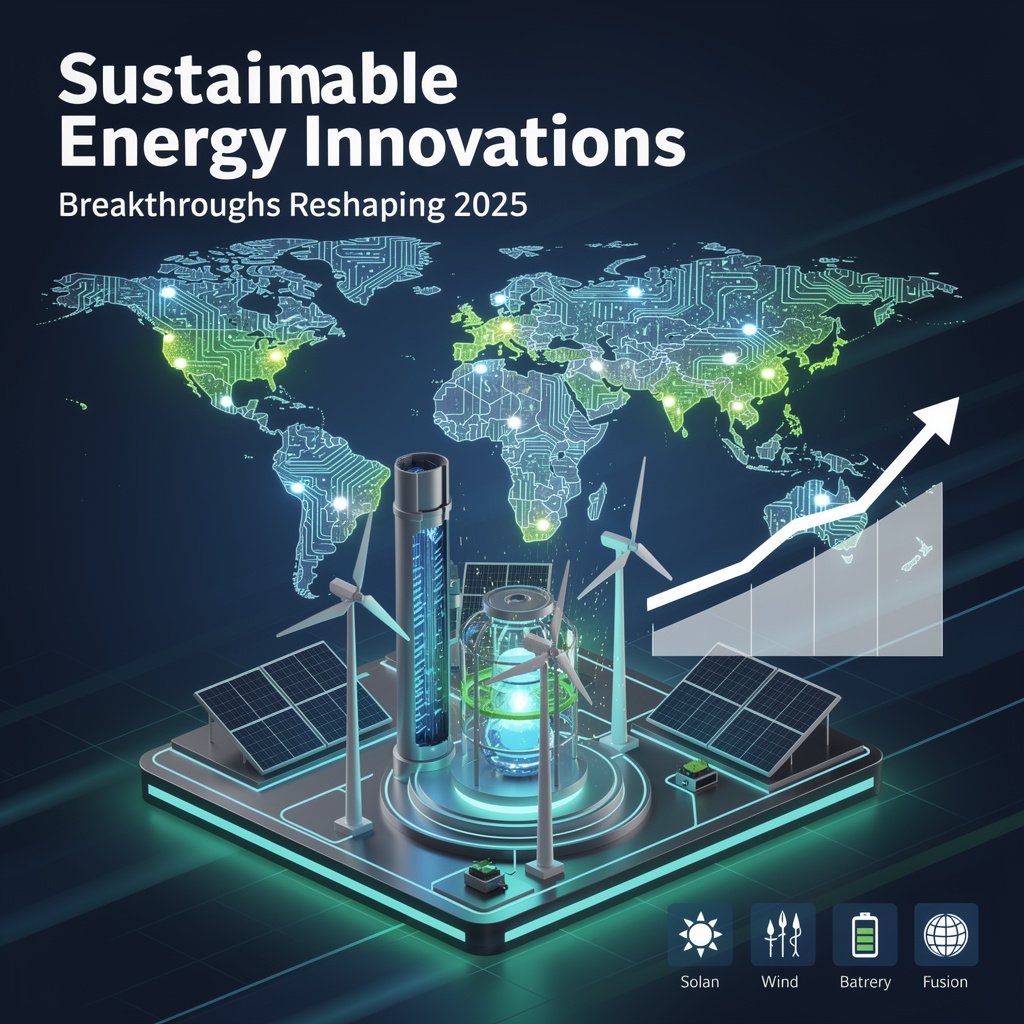
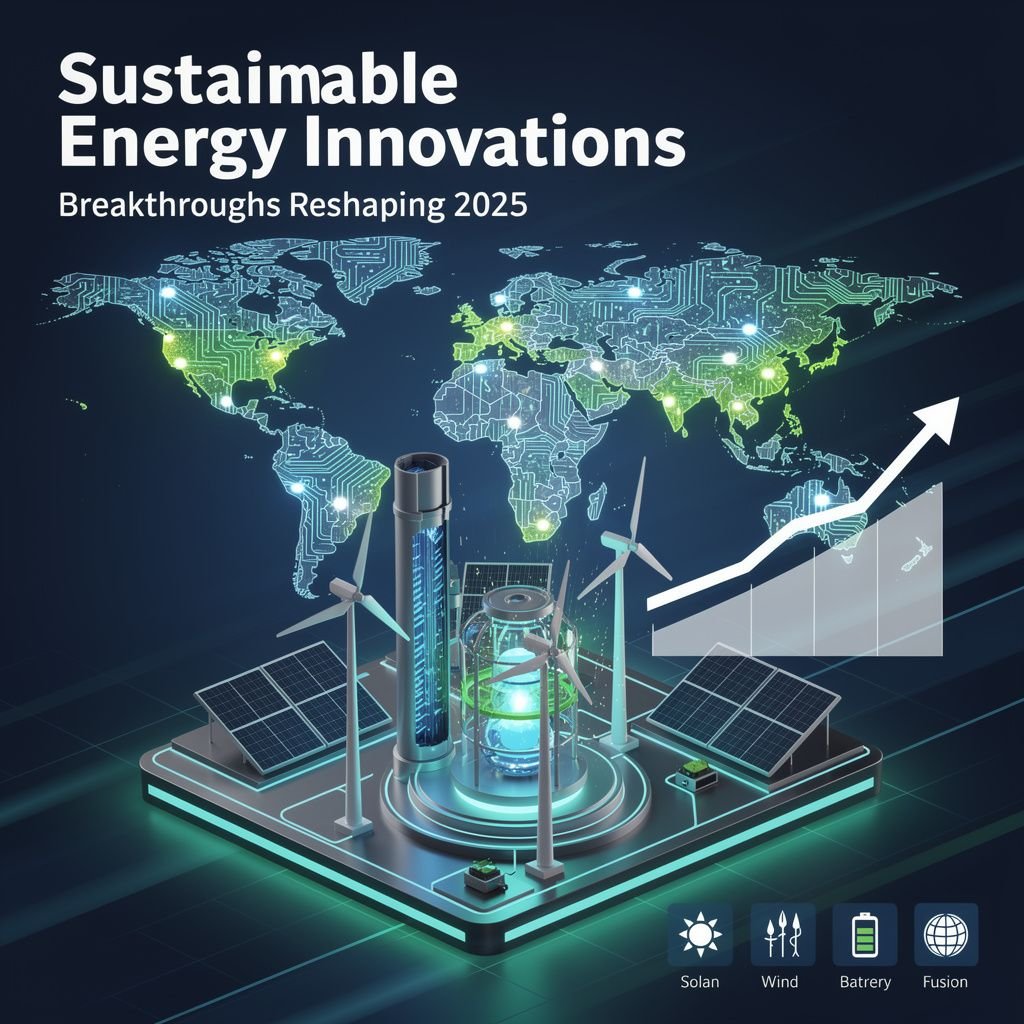
Welcome to the next wave of sustainable energy innovations—technologies so bold and transformative that even the World Economic Forum has ranked them among the Top 10 Breakthroughs for 2025.
Two stars are stealing the spotlight:
🌱 Structural Battery Composites (SBCs)
⚛️ Small Modular Reactors (SMRs)
Both promise lighter systems, greener grids, and a world where energy becomes smarter, safer, and far more efficient.
Let’s dive into how these breakthroughs are quietly rewriting the blueprint for the planet’s energy future.
🔋 1. Structural Battery Composites: When the Vehicle Is the Battery
Imagine a car where the doors, the frame, even the roof are all capable of storing energy.
That’s the magic of Structural Battery Composites, a new class of materials that combine strength with electricity storage.
Instead of packing a huge, heavy battery inside an electric vehicle, SBCs turn the entire vehicle body into one giant, ultra-light power source.
The result?
- Lighter EVs
- Longer driving ranges
- Faster charging systems
- Cheaper manufacturing
- More design possibilities
And SBCs aren’t just for cars—researchers are eyeing electric planes and drones, meaning the future of aviation may literally run on the wings themselves.
You’ve probably seen the excitement building across tech communities and on social platforms—X posts and engineering forums are buzzing with what this could mean for mobility.
This is energy storage redesigned from the inside out.
⚛️ 2. Small Modular Reactors: A Smaller, Safer Nuclear Revolution
Nuclear energy has always been powerful—but also expensive, massive, and politically complicated.
Enter Small Modular Reactors (SMRs), the compact, scalable version of traditional nuclear power plants.
Think:
🧩 Lego-like reactors that can be mass-produced
⚡ Predictable, stable clean energy
🛡️ Enhanced safety features
🌍 Deployment in remote or energy-poor areas
SMRs offer a pathway to a greener, more resilient global grid, without the barriers that have limited nuclear power in the past.
This isn’t theory—countries and companies worldwide are accelerating investments, seeing SMRs as a crucial solution to climate and energy challenges.
With climate urgency pushing nations to act fast, SMRs are becoming a central figure in strategic energy discussions.
🌍 Why These Innovations Matter Now
The world is in a race.
Not for profit.
Not for prestige.
But for survival.
Climate change is accelerating.
Energy demand is skyrocketing.
Traditional systems are struggling to keep up.
This is why the World Economic Forum places SBCs and SMRs among 2025’s most impactful emerging technologies.
They’re not just new—they solve problems that were previously considered too complicated or too expensive.
📈 McKinsey: These Are Frontier Trends Reshaping Global Energy
According to McKinsey, sustainable energy breakthroughs like SBCs and SMRs sit at the edge of what’s technologically possible—the frontier of innovation.
Their potential isn’t limited to powering cars or grids.
They can influence everything from:
- Global logistics
- Aerospace engineering
- National energy security
- Urban design
- Next-gen manufacturing
This is why conversations online—from energy experts to futurists—are exploding with interest.
Everyone sees the same thing:
Energy is entering its most transformative decade yet.
🔮 The Future Is Lighter, Cleaner, and Smarter
These innovations hint at a world where:
- Cars charge themselves through their structure
- Drones fly farther on feather-light bodies
- Remote villages get clean, stable nuclear energy
- Cities build energy into their architecture
- Aviation becomes electric
- Climate solutions scale faster than ever before
The question is no longer if these technologies will reshape the world—
It’s how fast they will move from labs to mainstream life.
And 2025 looks like the year the shift truly begins.